
Trade Guide | Kent & Medway
How to Tell Copper from Brass
If you work with scrap metal, knowing how to tell copper from brass can make a real difference to your return.
They can look similar at first glance, but there are a few quick checks that help you separate them on site.
This guide explains the main differences, where you are most likely to find each metal, and how to sort loads more confidently across Kent and Medway.
- Trade and domestic enquiries welcome
- Kent & Medway coverage
- Fast local quotes
- Ferrous & non-ferrous metals
Get a quick scrap quote
Send over the basics and we can point you in the right direction quickly. For the best response, include your area, the type of metal, roughly how much there is, and whether you need collection from site.
Photos help speed things up
One-off or repeat collections
Prefer to speak first? Use the contact page or go straight to our scrap metal collection service.
Copper vs Brass – what is the difference?
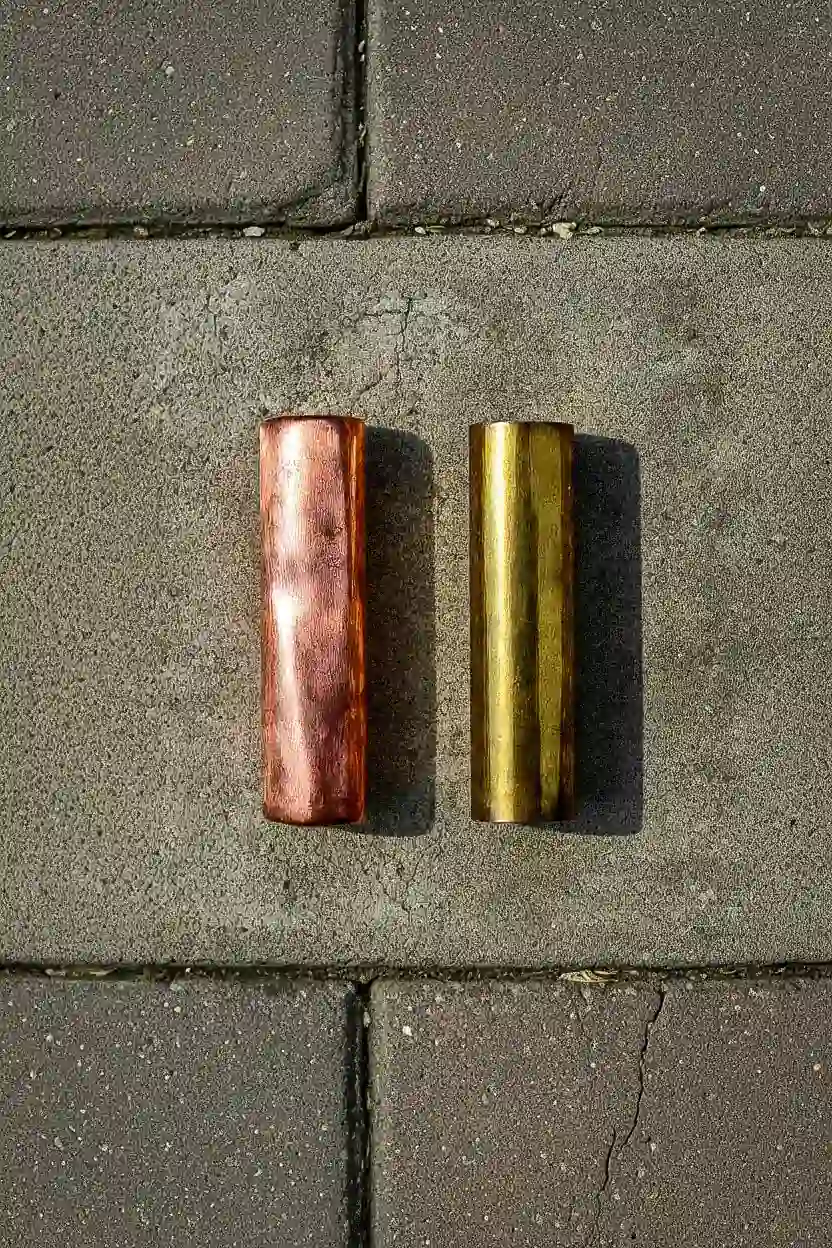
Copper is a pure metal. Brass is an alloy made mainly from copper and zinc. Because of that, the two materials can look similar, but they differ in colour, weight, typical use, and scrap value.
- Copper is usually more red-brown in colour
- Brass is usually more yellow or gold in tone
- Copper often has a higher scrap value than brass
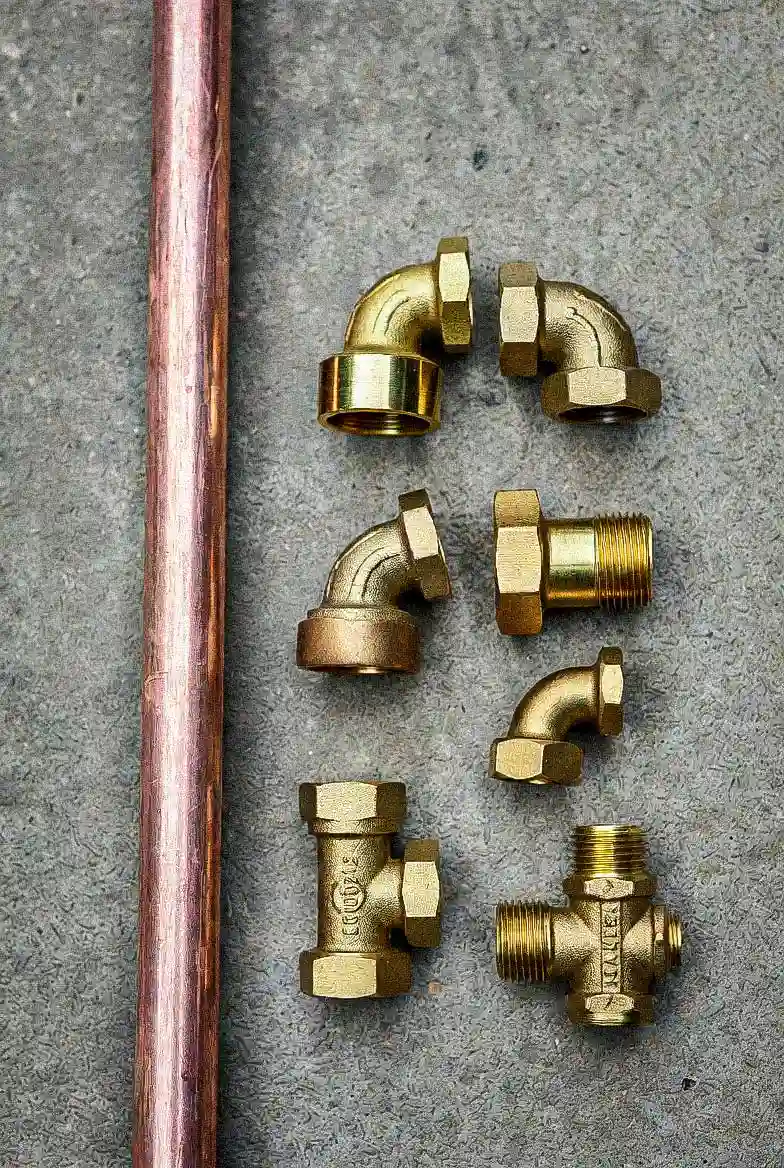
- Brass is common in valves, taps, and fittings, while copper is common in pipe and cable
Quick ways to tell copper from brass on site
1. Check the colour
Copper is usually red-brown. Brass tends to look more yellow or gold.
2. Compare the weight
Brass often feels heavier than copper for a similar-sized piece.
3. Use a magnet
Neither copper nor brass is magnetic, but a magnet can help rule out steel and other mixed items.
4. Try a scratch test
Lightly scratch a hidden area. Copper tends to stay similar in tone, while brass often shows a lighter yellow colour.
5. Think about the item
Pipes and cable are often copper. Compression fittings, valves, and taps are often brass.
6. Listen to the sound
Brass often gives more of a ring when tapped, while copper usually sounds duller.
Common trade examples
On real jobs, these are some of the most common places you will find each metal:
Typical copper items
Pipework, hot water cylinders, cable, wiring, and roofing offcuts.
Typical brass items
Valves, taps, threaded fittings, connectors, and plumbing hardware.
Useful links:
copper recycling,
brass recycling,
cable recycling,
scrap metal collection.
Not sure what metal you have?
We help tradespeople, businesses, and site clear-outs across Kent and Medway. If you are unsure whether your load contains copper, brass, or mixed metal, send a few details and we can point you in the right direction.
Why sorting copper and brass matters
Separating metals properly helps keep things clear at the yard and can improve the value of your load. It also makes site clear-outs easier to manage and helps avoid confusion when mixed scrap is being collected.
- Better sorting can mean better returns
- It speeds up drop-off and collection handling
- It helps avoid mixed loads reducing overall value
- It makes quoting and planning easier
Copper vs brass quick comparison
Copper
Red-brown colour, pure metal, often higher value, commonly found in pipe and cable.
Brass
Yellow-gold colour, copper-zinc alloy, commonly found in valves, taps, and fittings.
How it works
Send details
Tell us what you have, where you are, and whether you need a collection.
Get advice or a quote
We review the load, access, and likely metal types, then advise on the next step.
Book collection
Choose a suitable time and get your scrap moved with less hassle.
Local coverage across Kent & Medway
We already cover key local areas including
Chatham, Gillingham, Rochester, Maidstone, Rainham, Sittingbourne,and nearby places.
You can also view the full areas covered page.
Book your scrap metal collection in Kent
If you have copper, brass, or mixed metal building up, do not leave it sitting around longer than needed. Get a quick quote, clear the site, and keep things moving.
If your copper or brass scrap is from a job near Tonbridge, you can also read our Tonbridge scrap metal recycling guide before sending photos or visiting the yard.
Frequently asked questions
How can I tell copper from brass quickly?
Start with the colour. Copper is usually red-brown, while brass is more yellow or gold. Then look at the type of item and, if needed, try a light scratch test.
Is brass worth less than copper?
In most cases, yes. Copper usually carries a higher scrap value than brass.
Can you collect mixed metal loads?
Yes. Mixed loads can be discussed, including site clear-outs and regular collections.
Which areas do you cover?
We cover Kent and Medway, with local pages in place for Chatham, Gillingham, Rochester, Maidstone, and Rainham.
What if I also have cable or other metals?
That can usually be handled too. See our cable recycling and scrap metal collection pages for more information.